
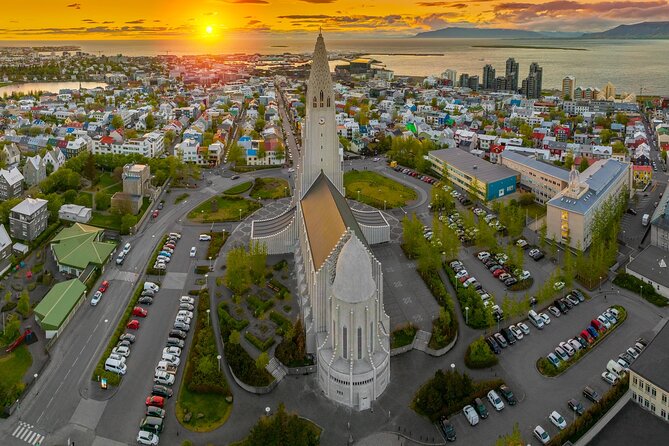
Reviewed · CITY TOURS
Reykjavik City Card 72 hour
A 72 hour Reykjavík City Card is interesting because it turns two expensive categories into something you can actually plan around: museum admission and geothermal pool time. You pick the moment you activate it, then spend the next three days moving between culture stops and warm-water breaks without doing math every time you scan a ticket.
What I like most is the free entry to a tight set of museums and art spaces that cover Iceland’s story from settlement days to modern creativity. My second favorite thing is that the card doesn’t only help you indoors, it also covers public transport, and even a ferry ride that can get you out to places like Viðey.
The one drawback to consider is the physical card step. You must swap your digital voucher for a hard copy card, and you’ll need that card to get into museums and show it on buses.
Key points I’d focus on
- Free museum access across major history, art, photography, and local heritage sites
- 72 hour flexibility, so you can start the clock when it fits your itinerary
- Thermal pool admissions included, with saunas, steam baths, hot tubs, and jacuzzis
- Public bus and ferry ride included, which helps you reach more than just downtown
- Works best if you plan a museum plus pool rhythm instead of only a quick hit or two
- English availability makes it easier to enjoy the included sites without language friction
Price and value: when $71.77 actually pays off
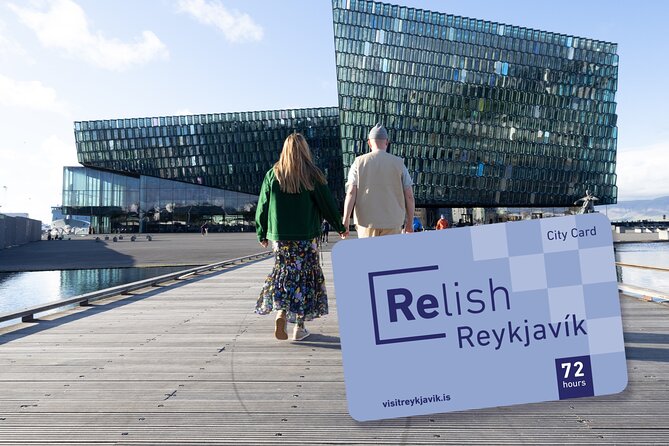
At about $71.77 per person for a 72 hour card, the value math is simple. The card is strongest when you stack multiple paid admissions, especially museums and the city’s geothermal pools.
Here’s why it can feel like a deal: the included bundle typically covers museum tickets, thermal pool entries, and family zoo time, and it also includes public bus and a ferry ride. If you’re the kind of trip where you do at least 3 to 5 indoor attractions plus 1 to 3 pool visits, you’ll usually feel like you came out ahead.
If your plan is mainly short walks, a single museum, and a single pool stop, the card can still be convenient. But you might not feel the savings as much, because the card is designed for people who want to go repeatedly, not just one-and-done.
Bottom line: this is best treated like a budget tool. Use it to build a day plan that includes admissions, not just sightseeing from outside.
Using the card smoothly: vouchers, buses, and ferry rides
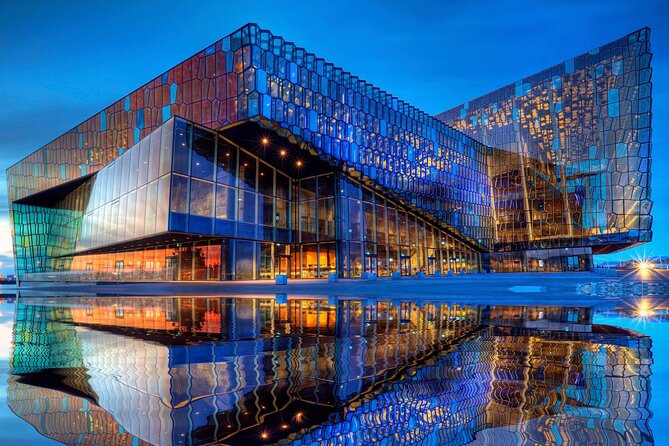
This card is built around movement. The value comes when you actually use the public bus network and the included ferry ride, then cash in museum admissions as you go.
One practical thing: you will need to swap your digital voucher for the Reykjavík City Card (a physical card). The card only works once you have that hard copy, so don’t plan your first day assuming the voucher itself is enough for entry and bus use.
Also, plan for the timing reality of Reykjavík. Many included museums and galleries have short-to-medium visits listed here (40 minutes up to about 2 hours). That makes the card easy to use even if weather forces you indoors, but it also means you should be selective so you don’t feel rushed.
The card is offered in English, and the overall pace is friendly if you have moderate physical fitness. There’s plenty to do at a walkable pace, but you’ll still be out moving around the city.
More City Tours in Reykjavík:
- Reykjavík Small group Walking Tour – by CityWalk
★ 5.0 · 5,076 reviews - Reykjavik: Guided Foodie Walking Tour with 6 Tastings
★ 4.9 · 1,645 reviews - Reykjavik: City Sightseeing Hop-On Hop-Off Bus Tour
★ 3.9 · 1,283 reviews
Stop by stop: museums, art, history, and photography across Reykjavík
Think of your 72 hour window as a sampler platter with serious depth. You’ll see Icelandic culture presented through objects, art collections, and exhibitions tied to specific places in the city. You can mix and match, since many stops are self-contained and don’t require a long guided-style timeline.
National Museum of Iceland (about 2 hours)
Start here if you want context fast. It focuses on Icelandic cultural history and encourages you to connect the past to present and future. This is a great “foundation” stop before you move into art and local heritage.
National Gallery of Iceland, Listasafn Íslands (about 2 hours)
This museum is built for art lovers, with major emphasis on 19th and 20th century Icelandic art. It also includes works by internationally known artists such as Pablo Picasso and Edvard Munch. If you want a strong indoor anchor day, this is one.
A few more Reykjavík trips worth comparing
- Reykjavik: Golden Circle Full-Day Tour with Kerid Crater
★ 4.8 · 24,485 reviews - Reykjavik Food Walk – Local Foodie Adventure in Iceland
★ 5.0 · 18,952 reviews - From Reykjavik: Northern Lights Bus Tour with Hot Cocoa
★ 4.3 · 13,947 reviews - Reykjavík: South Coast Waterfalls, Black Sand & Glacier Tour
★ 4.8 · 11,030 reviews
Reykjavik Art Museum Hafnarhús (about 2 hours)
Located in a former harbor warehouse in Reykjavík’s oldest area, Hafnarhús brings a contemporary edge. The exhibition program runs with both local and international contemporary artists across six galleries, and Erró’s work is a notable draw for pop art fans. If you like art that feels a bit playful and loud, this fits.
Reykjavik Art Museum, Ásmundarsafn (about 40 minutes)
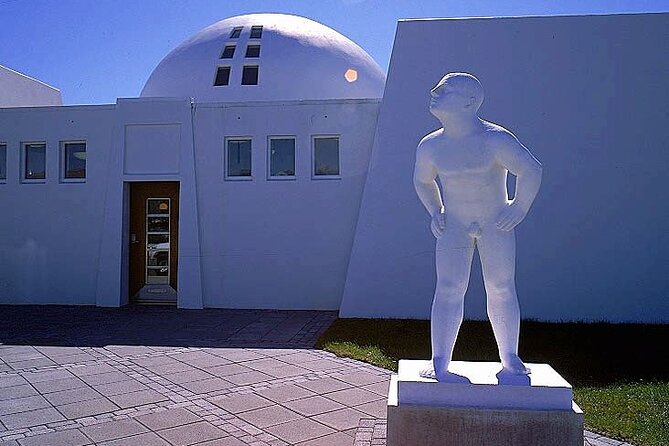
This one is shorter, and that’s a good thing. You get Ásmundur Sveinsson’s white dome building and sculptures, plus a design inspired by vernacular Mediterranean architecture. It feels like art you can walk around.
Reykjavik Art Museum, Kjarvalsstaðir (about 1 hour)
Kjarvalsstaðir centers on Jóhannes S. Kjarval, with exhibitions focused on paintings and sculptures by modern masters. The building’s Nordic modernism, especially the floor-to-ceiling windows looking to Klambratún Park, makes this a pleasant stop even when the weather is moody.
Reykjavik Maritime Museum (about 1 hour)
If you want to understand why this city looks and sounds the way it does, fisheries matter. The Fish & folk exhibit covers 150 years of Iceland’s fishing story, from rowing boats to modern vessels, told from Reykjavík’s big port perspective. The setting makes sense too, since the building once housed a fish factory.
Árbær Open Air Museum (about 2 hours)
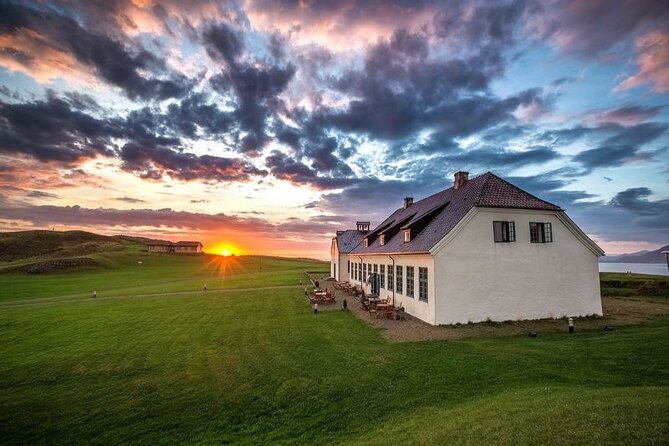
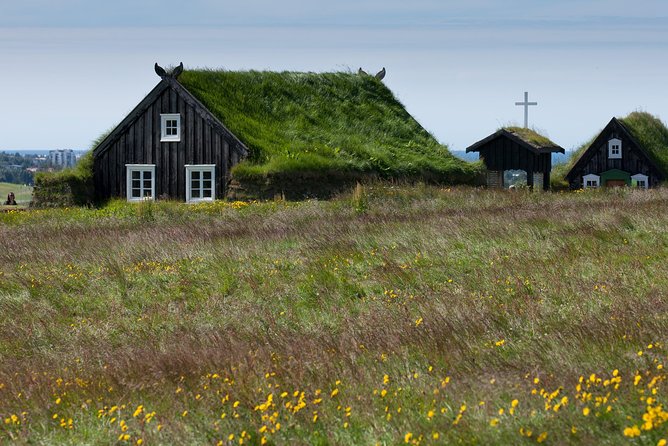
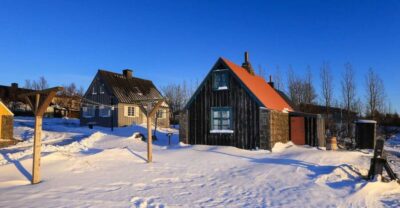
This is a different kind of museum experience. You’ll walk through a farm site that stayed active well into the 20th century, now preserved with more than 20 buildings. Most buildings were relocated from central Reykjavík, which gives you a sense of how life and work were arranged.
The Settlement Exhibition, Reykjavík 871±2 (about 40 minutes)
This is the best kind of small stop: focused and unforgettable. It’s about the settlement of Reykjavík, built around archaeological remains of a hall inhabited from 930 to 1000, plus turf remnants tied to earlier building phases. If you like history that feels concrete rather than abstract, don’t skip this.
Reykjavik Museum of Photography (about 40 minutes)
Here you can see Iceland through lenses, both historical and contemporary. Exhibitions focus on Icelandic photography and also include works by foreign photographers, placed in artistic, social, and cultural context. It’s a smart weather-proof choice when you want something shorter.
Viðey Island (about 2 hours, with included ferry ride)
Viðey mixes nature with art and Icelandic history. Birdlife is a major theme, and you’ll also find modern artworks there. Because it’s island time, it’s worth planning as a block, so you’re not scrambling around the city at the end of your 72 hours.
Gerdarsafn Kopavogur Art Museum (about 1 hour)
This is modern and contemporary art in Kópavogur. It features temporary exhibitions plus the museum collection, and the program reflects the fact that it’s the only Icelandic museum built in honor of a female artist. If you find the downtown museum lineup overlaps too much, this is a good change of pace.
Natural History Museum of Kopavogur (about 1 hour)
Split into geology and zoology, it focuses on Iceland’s formation through rocks and minerals, and on Icelandic birds, mammals, fish, and invertebrates. Staff guidance is free if requested, and you can ask for help tailored to your interests and language. Great for families and for anyone who likes science without feeling like homework.
Reykjavík Family park and Zoo (about 2 hours)
Even if you’re not traveling with kids, it can be fun. The zoo includes more animals than many people expect, with Icelandic farm animals plus wildlife mammals, and a small reptiles, amphibians, and insects exhibition. The outdoor time plus playground options can make it a flexible mid-trip break.
The Culture House (about 2 hours)
This stop is about visual culture across Iceland. The permanent Points of View exhibition lets you see collections from six major Icelandic cultural institutions, with artworks presented thematically alongside objects and archival materials like books and maps. If you want variety in one place, it works well.
Aðalstræti 10 (about 30 minutes)
A quick museum and exhibition space connected to Reykjavík City Museum’s network. Since it’s listed as 30 minutes, use it as a filler block between bigger sites, or as your “light day” option.
Sigurjón Ólafsson Museum (about 50 minutes)
Dedicated to the Icelandic sculptor Sigurjón Ólafsson, housed in a studio conversion at Laugarnes. It’s a clear, focused art stop, and it’s easy to appreciate whether you’re a sculpture person or not.
Hafnarborg in Hafnarfjörður (about 35 minutes, free)
If you like the idea of stepping outside central Reykjavík, Hafnarborg is an easy add. It runs 8 to 10 art exhibitions each year, covering important Icelandic art history through contemporary work. It’s shorter, so it fits into a broader day.
Hafnarfjörður Museum (about 1 hour, free)
This one is about the town’s history, spread across several buildings in the town center. It’s useful when you want a cultural break that isn’t only “major city museums.” Plan it as a grounding stop before you head back.
Grafarvogslaug, Sundhollin, Arbaejarlaug, Klébergslaug, Breiðholtslaug, Dalslaug, Vesturbaejarlaug, Laugardalslaug (thermal pools, 2 hours each)
These are the heart of the practical Reykjavik experience. Each pool facility is heated with geothermal water and includes steam baths, saunas, hot tubs, and jacuzzis, with safety training described as part of the city’s approach. A lot of people end up loving these most because they make the day feel real, not just “museum mode.”
The card marks some specific pools as included and some as free entry, but the overall message is the same. Use the included admission to build in warmth on days when you’d otherwise feel tired and cold.
Reykjavik City pools, how to choose
If you’re planning multiple pool visits, pick one place for a sauna-heavy session and another for a more relaxed soak. The card gives you room to do that without paying again each time, which makes it easier to tailor to your energy levels.
A smart trick: schedule your pool after the most tiring indoor stop. Museum time requires a lot of mental attention, while pools are your reset button.
How to pace your 72 hours so you do not feel rushed
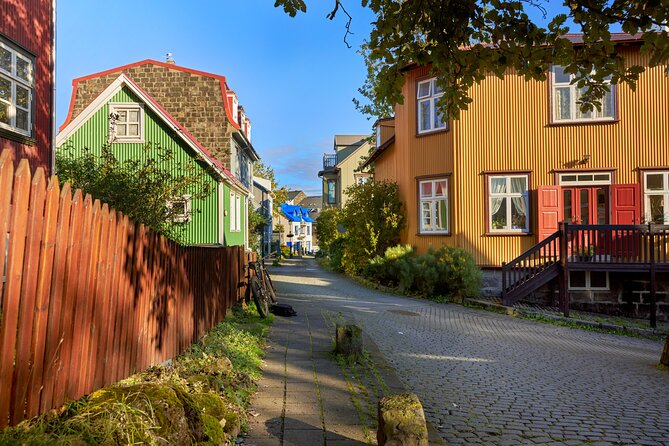
With the card, you can go hard. One reason the card scores well is that many stops are medium length, which lets you stack them.
Here are two pacing styles that fit the listed durations:
Option A: Tight museum route (2 to 3 days)
Choose one history anchor (National Museum or Settlement Exhibition), one art anchor (National Gallery or Hafnarhús), then add 2 to 4 shorter stops like Ásmundarsafn, Photography, or Aðalstræti 10. Finish with a pool day in the middle so you’re not seeing everything while exhausted.
Option B: Softer route with better breaks
Pick 3 major stops max, such as National Gallery, Maritime Museum, and one art museum. Then let Viðey or Árbær be your outdoors change. Add one pool visit, then decide if you want a second based on how you feel.
If you’re traveling in winter or with frequent weather changes, prioritize indoor sites first, then keep the island or open air museum as your flexible choice.
The card is valid for 72 hours, so it’s also worth thinking about which days you actually have energy to walk around. The best value is not just free entry, it’s using your time well.
Who this card is for, and who should skip it
This card is a strong match if you love museums, art, and photography, and you want geothermal pools without calculating costs. It’s also a good fit for families who want a mix of indoor museums and the zoo, since the included sites cover both.
You should consider skipping or at least temper expectations if your idea of Reykjavík is mostly outdoors and you plan only a couple of paid admissions. The card shines when you use it as a plan, not just a coupon.
If you do want museums and pools, the included schedule makes it easy to build an “I’m inside now, I’m warm now” rhythm. That’s the thing that turns a good sightseeing trip into a comfortable one in Iceland’s changeable weather.
Should you book the Reykjavik City Card?
Book it if your plan includes multiple museum admissions and you want at least one thermal pool visit during your time in Reykjavík. The included public bus and ferry ride are part of the value because they let you reach more sites without extra planning.
Skip it if you want a light itinerary with only one or two attractions, because the card is designed for repetition and stacking admissions. If you’re the type who can happily spend a day going museum to museum, this is one of the simplest ways to control costs while still doing the good stuff in Reykjavík.
FAQ
What does the 72 hour Reykjavik City Card include?
It includes fees and taxes, public bus, a ferry ride, admission to museums, admission to thermal pools, and admission to the family park and zoo.
How long is the City Card valid?
The City Card is valid for 72 hours. You choose when you want to activate it.
Do I need to swap anything before I can use the card?
Yes. You’ll need to swap your digital voucher for the Reykjavik City Card.
Which languages is the experience offered in?
The card is offered in English.
Can I use the card to visit thermal pools?
Yes. Admission to thermal pools is included.
Are there any nearby activities outside central Reykjavik included?
Yes. Hafnarborg and Hafnarfjordur Museum are included, and they are located in Hafnarfjörður in the Reykjavík area.
Is there a recommended fitness level?
The guidance says travelers should have a moderate physical fitness level.
What is the cancellation policy?
Free cancellation is available up to 24 hours in advance for a full refund. If you cancel less than 24 hours before the start time, the amount paid is not refunded.
Reviewed most recently in Reykjavík
- Reykjavik Private 4-Hour Tour with Transfer★ 5.0 · 7 reviews
- Landmannalaugar & SecretGems | Private Tour | PRO Photos included★ 5.0 · 8 reviews
- Private Airport Transfer between KEF Airport & Reykjavik★ 4.5 · 8 reviews
- Keflavik Airport Transfer to /or From Reykjavik, Iceland★ 4.5 · 8 reviews
- Reykjavik Scavenger Hunt and Highlights Self Guided Audio Tour★ 4.5 · 8 reviews
- Reykjavik/Keflavik Airport Private Transfer – City (Vice Versa)★ 4.5 · 8 reviews
- Transfer To & From Blue Lagoon★ 4.0 · 8 reviews
- Reykjavik: Christmas Walking Tour with Icelandic Traditions★ 4.7 · 8 reviews
City Tours, compared.
Reykjavík Small group Walking Tour – by CityWalk
Read our review →
City Sightseeing Reykjavik Hop-On Hop-Off Bus Tour: 24 or 48-Hour
Read our review →
Reykjavik Folklore Walking Tour: Meet the Elves, Trolls & Ghosts of Iceland
Read our review →
3,5-Hour Sightseeing Tour To Dynjandi Waterfall
Read our review →Browse the lists this tour appears in