
Reviewed · MUSEUMS
Reykjavik: Saga Museum Entry Ticket
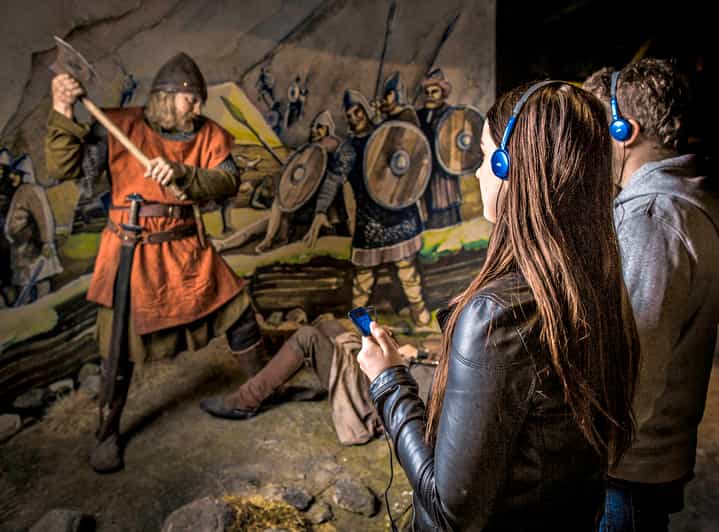
Reykjavik’s Saga Museum is interesting because it turns the story of Iceland into something you can walk through, not just read about. I like the way it follows a clear timeline, and I also like the hands-on Viking costume area at the end, which makes the past feel personal. One thing to consider, especially if you dislike waiting, is that the flow can include pauses between parts of the visit.
This is built around a 35-minute audio-guided tour with headsets, covering 20 exhibits inspired by Icelandic sagas. You’ll move from the earliest settlers, to Leif the Lucky and the formation of parliament, through civil conflict and the Reformation, and then finish by dressing up. It’s a small museum experience, so you should expect a focused visit rather than a half-day wander.
The museum is also a strong fit if you want an indoor activity that matches Iceland’s outdoorsy pace, minus the wind. Still, it may not be ideal for very young kids or sensitive visitors, so read the suitability notes before you go.
Key highlights to look for
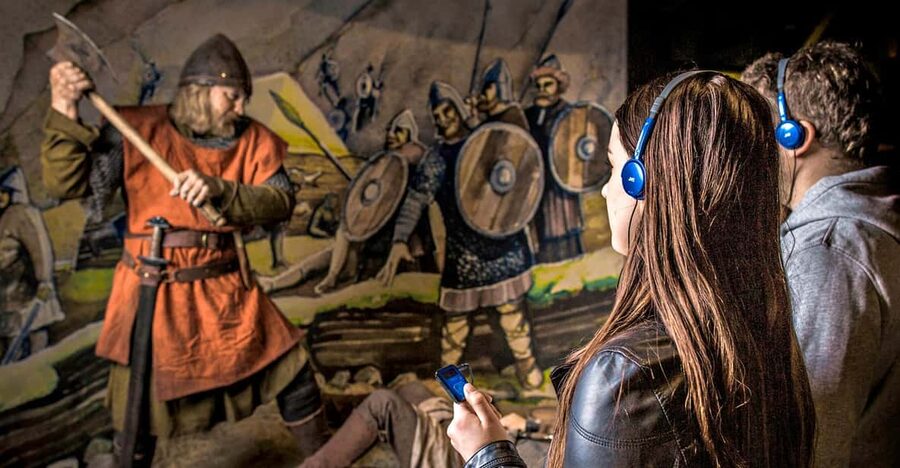
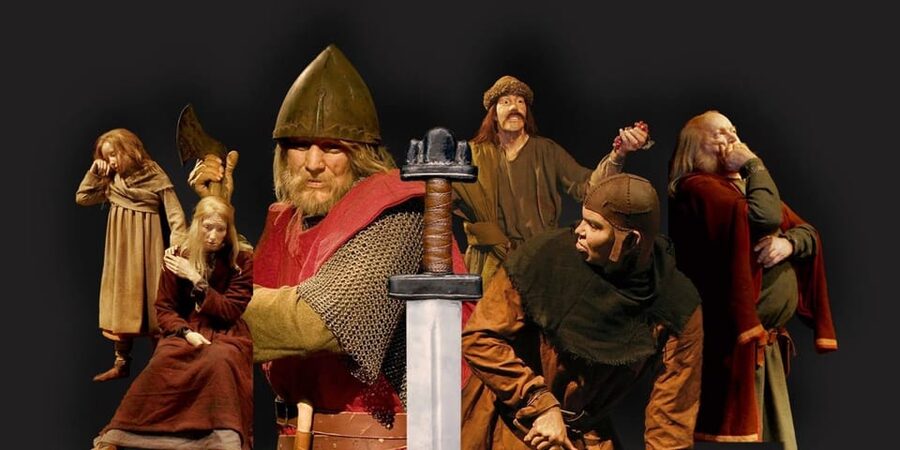
- Life-like wax scenes that help the sagas feel real, not distant
- A structured audio route through the Papar, Vikings, Parliament, and Reformation
- 20 saga exhibits that keep the story moving without feeling random
- Costume time with authentic-style gear, so you can play the part
- Helpful setup details like headsets, lockers, and parking
Saga Museum at Grandagarður: A one-stop walk through Iceland’s story
Saga Museum is in Reykjavik, at Grandagarður 2, inside a white building with a Viking on a horse statue right in front. It shares the same door as the restaurant Matur og Drykkur, so once you spot that figure, you’re at the right place.
The format is simple: you start, you follow the story in order, and you end with costume fun. That may sound basic, but it’s actually a big deal. Icelandic saga history can be long and confusing if you only see it in books or scattered plaques, so having one continuous path helps you keep names and eras straight.
If you love history that’s told through scenes and characters, this works well. If you prefer large collections, lots of artifacts, or hours of roaming, you might find it feels compact. That’s not a flaw for the people it’s built for, but it matters for expectations.
More museums in Reykjavík:
- Reykjavík: Hop-On Hop-Off Bus and Perlan Museum Entry Ticket
★ 4.3 · 719 reviews - Reykjavik: Whales of Iceland Museum Entrance Ticket
★ 4.4 · 493 reviews - Reykjavík: National Museum of Iceland Entry Ticket
★ 4.4 · 432 reviews
The real heart of the ticket: the 35-minute audio guide and 20 exhibits
Your ticket is built around an audio-guided visit that lasts about 35 minutes. You’ll use headsets included with the entry price, and the tour leads you through 20 exhibits, each tied to a moment in the sagas and Iceland’s history.
What that means for you on the ground: you’re not standing around reading tiny text panels for ages, and you’re not stuck trying to interpret everything alone. The audio gives context as you move, so the museum feels like a guided story rather than a room full of figures.
The audio language set is strong. You can choose from English, French, German, Icelandic, Russian, Spanish, and Swedish. There’s also a text guide in Polish and Italian, which is useful if you want a written backup while you listen.
A practical note: some visitors find the visit includes brief waiting or pauses between steps. If you hate downtime in between sections, you can still enjoy it, but you’ll want to keep a relaxed mindset and just follow the pacing.
Papar, Reykjavik, and Leif the Lucky: how the route tells the saga timeline
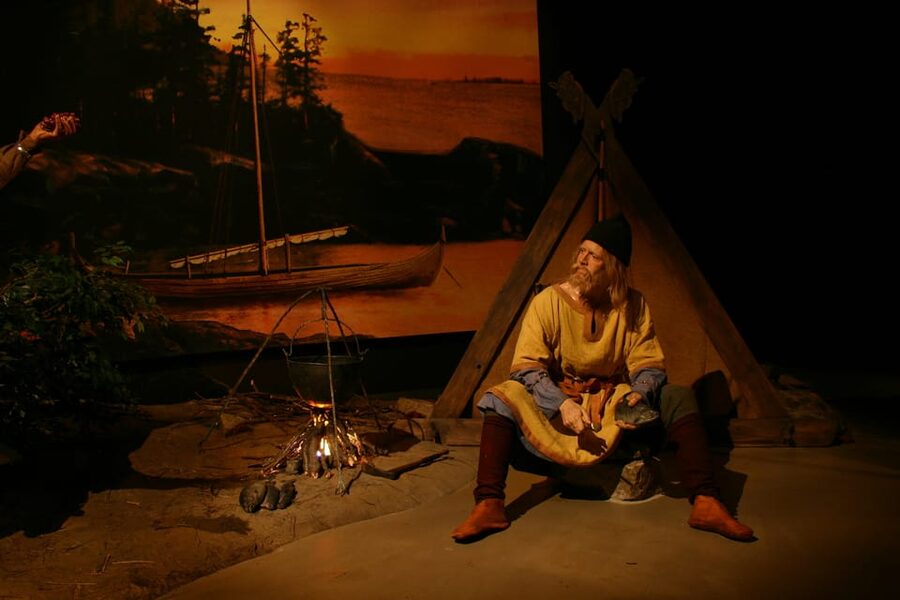
The museum lays out Iceland’s story in a sequence that’s easy to follow, even if you’re starting from zero. The tour begins with the earliest settlers, moves into the Viking era, then steps through the saga age and the religious shift that changes everything.
Here’s the route, in the order you’ll experience it:
Earliest settlers, the Papar, and the first Viking arrivals
You start by learning about the Papar, the earliest known settlers in Iceland, and then you shift toward the first Vikings who settled the island. The tour also connects this era to how Reykjavik gets its name, which gives you a local anchor right away.
This first section matters because it frames Iceland as more than a remote place on the map. It positions it as a destination that people traveled to, survived in, and changed forever.
A few more Reykjavík trips worth comparing
- Reykjavik: Golden Circle Full-Day Tour with Kerid Crater
★ 4.8 · 24,485 reviews - Reykjavik Food Walk – Local Foodie Adventure in Iceland
★ 5.0 · 18,952 reviews - From Reykjavik: Northern Lights Bus Tour with Hot Cocoa
★ 4.3 · 13,947 reviews - Reykjavík: South Coast Waterfalls, Black Sand & Glacier Tour
★ 4.8 · 11,030 reviews
Leif the Lucky and the discovery of America
Next comes the story around Leif the Lucky and the discovery of America. Even if you’ve heard the name before, seeing it placed inside an Iceland story helps. It stops the saga from feeling like a random medieval footnote and turns it into a chapter tied to Icelandic identity.
Parliament and the saga age: when stories became written
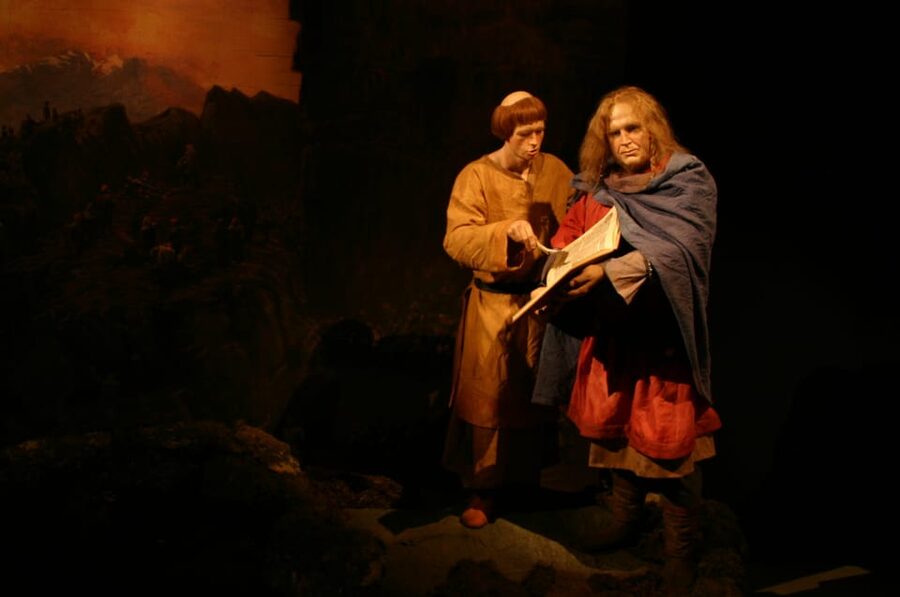
After the exploration moment, the tour moves toward the founding of the Parliament and then into the Saga age, when the stories were written down. That transition is a key idea: it’s not only about events that happened, it’s about how those events became the Icelandic narratives you hear today.
For you, this is where the museum helps the most if you care about meaning, not just names. You start seeing sagas as history with a storytelling purpose, shaped over time.
Civil war and the Reformation: the world changing under everyone’s feet
Later, the audio guides you through the civil war in Iceland and then toward the Reformation, including the story of the last Catholic Bishop in Iceland.
This part can feel heavier than the earlier adventure-focused segments. That’s actually a good balance if your Iceland trip is mostly outdoors and scenery, because it adds the human stakes that shaped the country.
Wax museum realism: why life-like scenes help the sagas stick
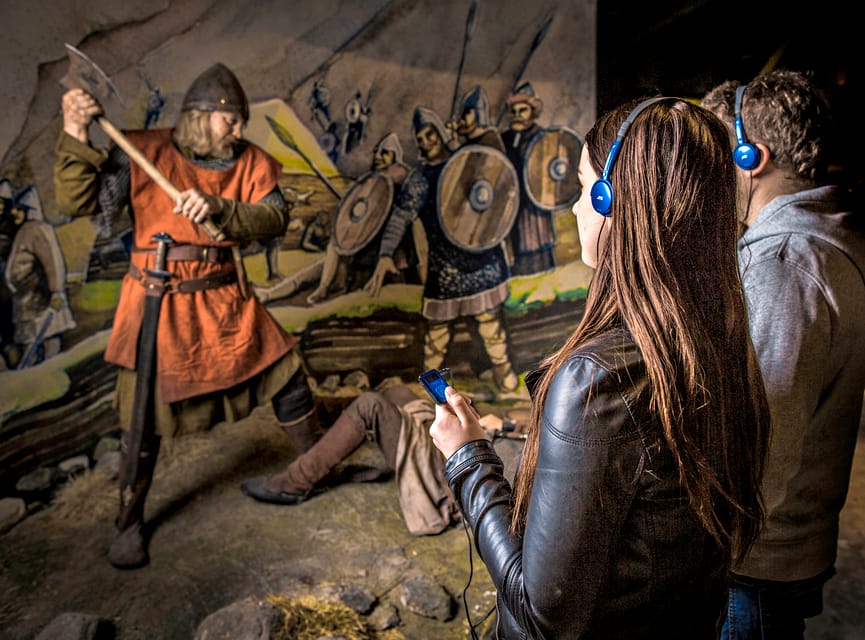
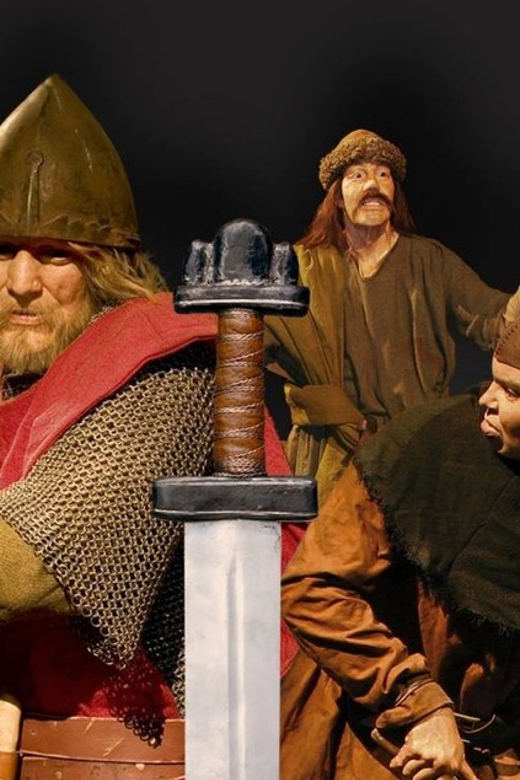
Wax figures are hit-or-miss in some museums. Here, the big positive is that the scenes are designed to feel life-like, not cartoonish. The result is that you can glance at a figure and quickly grasp the setting and mood of the moment.
That realism does two helpful things:
- It makes you slow down just enough to take in details while the audio narrates.
- It helps you connect the story to images, which improves recall later when you’re reading or touring other sites.
This kind of museum also benefits you in a weather-proof way. Reykjavik can be windy, gray, or rainy, and a ticket like this gives you something indoors that still feels tied to Icelandic culture.
And if you’re the type who likes photos, the look of the displays can give you strong shots without extra planning.
The Viking costume area: fun at the end, not a gimmick
After the learning portion, the experience shifts into play. You get to dress up as a Viking in a fully equipped costume area, with authentic-style clothing and weapons.
This is where the visit becomes more than information. It gives you a chance to physically engage with the idea of the saga world, which is a big reason people leave smiling and talking about the experience.
Two practical tips if you plan to use the costume area:
- Wear something easy to slip into and out of, especially if you’re traveling light.
- If you care about photos, give yourself a little buffer so you do not rush this step at the end.
The costume time is not just for kids either. Adults usually enjoy it because it’s quick, structured, and feels like part of the museum, not something tacked on.
Price and value in Reykjavik: what $33 buys you
The ticket price is listed at about $33 per person, and the best way to judge value is to look at what’s included.
You get:
- Entrance to the museum
- A 35-minute audio-guided tour with headsets
- 20 exhibits
- Lockers and parking
- Text guide options in Polish and Italian (in addition to audio)
What you do not get is also clear: food and drinks, and no pickup or drop-off.
Is it worth it? For many people, yes, because it’s a short, focused indoor experience with included audio and photo-worthy displays, plus the costume area. It’s also a good use of time if your day is tight and you want a cultural stop that does not take half the day.
If you’re expecting a huge museum with lots of artifacts and long browsing, you might feel it’s expensive for a small space. If that sounds like you, you may want to think of this as a high-impact story stop, not a museum marathon.
Where it fits in your day: getting to Saga Museum and timing it right
Meeting point is straightforward. Go to Saga Museum at Grandagarður 2. Look for the Viking-on-horse statue in front of the white building. Then use the same door as Matur og Drykkur.
Once inside, the visit rhythm is organized around the audio route. Even with a clear structure, the pacing can include moments of waiting between steps. So I recommend treating it like a guided walk, not a freely wandering gallery.
Because the tour is about 35 minutes, you can usually fit this into a day without stress. It works well if you plan morning sightseeing and want a calm indoor break afterward, or if the weather turns and you need a sure bet.
Also remember you have lockers and parking included. That matters if you’re carrying day-trip gear, shopping bags, or you want to store outer layers.
Accessibility and who should consider skipping
The museum is listed as wheelchair accessible, which is a big practical plus. If you need that kind of access, this is one of the easier “do it today” indoor options in Reykjavik.
For kids and sensitive visitors, I’d pay attention to the suitability notes. It is not suitable for children under 4, and it may not be suitable for sensitive children. That’s because the content covers major historical themes across multiple eras, including conflict and religious change.
So who is it best for?
- Adults who want a guided saga timeline without reading a stack of books
- Families with older kids who can handle a museum with historical themes
- Anyone who wants a short indoor activity with costume fun at the end
If you’re traveling with a very young child, or you know your group is sensitive to darker historical topics, you might choose a different stop.
Should you book the Saga Museum entry ticket?
Book it if you want a short, guided, indoor cultural experience that links Icelandic sagas to the history of the country. The audio in multiple languages, the 20 exhibits, and the costume area make it a complete package for the time you spend, and it’s especially good when the weather or your schedule limits outdoor options.
Skip or reconsider if you’re chasing a large museum with lots of artifacts and hours of wandering, or if you strongly dislike any waiting around between steps. The museum is designed to be focused, and not everyone loves compact.
If you like story-driven history, clear timelines, and a chance to end the visit with fun, this ticket is a solid value for a Reykjavik day.
Reviewed most recently in Reykjavík
- Reykjavik Private 4-Hour Tour with Transfer★ 5.0 · 7 reviews
- Landmannalaugar & SecretGems | Private Tour | PRO Photos included★ 5.0 · 8 reviews
- Private Airport Transfer between KEF Airport & Reykjavik★ 4.5 · 8 reviews
- Keflavik Airport Transfer to /or From Reykjavik, Iceland★ 4.5 · 8 reviews
- Reykjavik Scavenger Hunt and Highlights Self Guided Audio Tour★ 4.5 · 8 reviews
- Reykjavik/Keflavik Airport Private Transfer – City (Vice Versa)★ 4.5 · 8 reviews
- Transfer To & From Blue Lagoon★ 4.0 · 8 reviews
- Reykjavik: Christmas Walking Tour with Icelandic Traditions★ 4.7 · 8 reviews
Museums, compared.

Hop-On Hop-Off Bus and Perlan Museum Entry Ticket
Read our review →

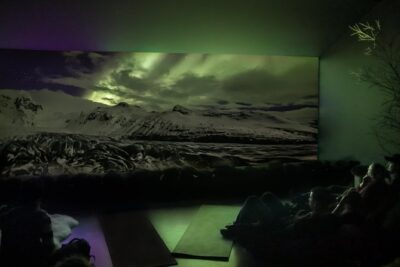
Aurora Reykjavík, The Northern Lights Center Museum Visit
Read our review →
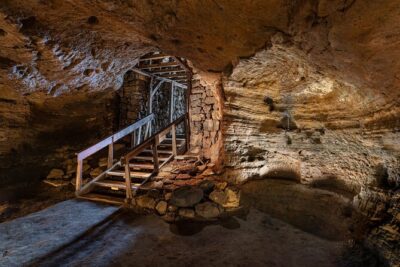
Ancient Historical Site Tour at the Caves of Hella
Read our review →

Whale Watching Tour, Whales of Iceland Exhibition
Read our review →Browse the lists this tour appears in