
Reviewed · VOLCANOES & LAVA
Volcano Movie – Experience the Latest Eruptions in Iceland
What makes this experience worth your time is the mix of scale and clarity. You sit in a cinema at the LAVA Centre in Hvolsvöllur and watch Iceland’s most important eruptions told through 4K footage and real volcanic sound.
I like two things a lot. First, the movie uses no voice-over, so you focus on what you’re seeing instead of a lecturer’s tone. Second, it covers both famous eruptions (like Eyjafjallajökull in 2010) and big events people outside Iceland often missed (like Holuhraun in 2014 to 2015).
One thing to consider: this is a movie, not an outdoor viewing of fresh lava. If you’re hoping for a walk in the ash or a live eruption, you will want to pair this stop with Iceland scenery.
Key highlights you will care about
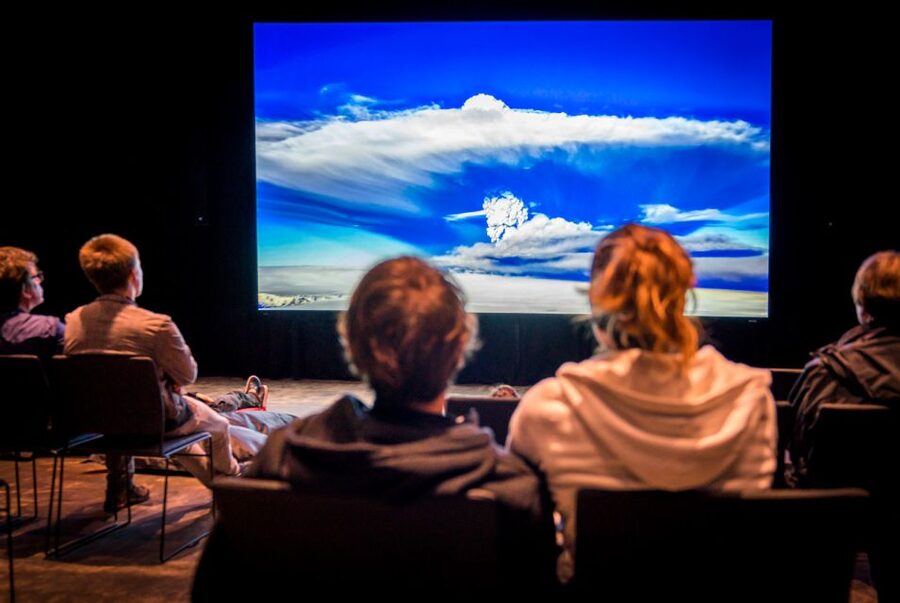
- 4K or better visuals, with volcanic sound doing the storytelling
- A timeline that starts with Katla 1918 and runs through the latest Fagradalsfjall eruptions
- Eyjafjallajökull 2010, including how it disrupted air traffic in Europe
- Holuhraun 2014 to 2015, presented as a massive eruption the wider world did not hear much about
- Entrance area includes free info on earthquakes and major nearby volcanoes at the Lava Centre
Volcano Movie at LAVA Centre, what it really feels like
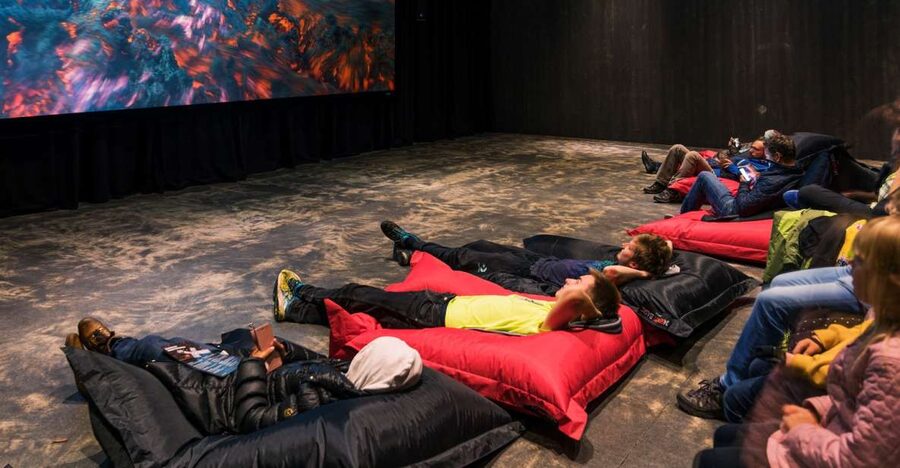
This is one of those Iceland stops that works even when the weather is doing its own unpredictable thing. Instead of guessing whether you can see something from a road pull-off, you get a focused experience indoors that is built around the big-picture story of Iceland’s volcanic rhythm.
What makes it especially effective is the production choice: the film tells the narrative without vocal narration. That matters more than you might think. When there is no voice guiding every beat, you end up paying attention to motion, timing, and the sounds that go with eruption footage. You also avoid that common travel-museum feeling where you learn facts, but your attention drifts. Here, the pacing is designed to keep your eyes on the screen.
And because it is 4K or better, the images stay sharp enough to understand what you are looking at. You are not just seeing “a volcano.” You are seeing the way landscapes and skies change when a system is actively erupting.
More Volcanoes & Lava in South Iceland:
- Kerið Volcanic Crater Admission Ticket
★ 4.5 · 106 reviews - Volcano Exhibition and Cinema – Lava Centre Iceland
★ 4.4 · 66 reviews - Small Group Day Tour to Lakagigar volcano by Super Jeep from Klaustur
★ 5.0 · 44 reviews
Arriving in Hvolsvöllur, finding the cinema, and getting oriented
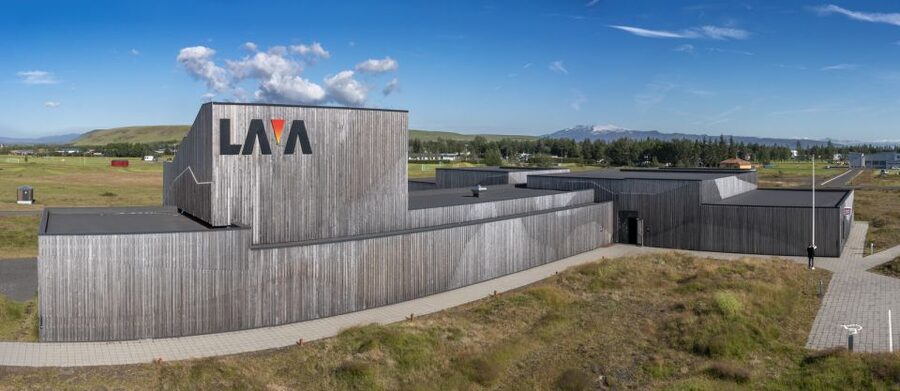
The meeting point is straightforward: LAVA Centre, Austurvegur 14, 860 Hvolsvöllur. When you are coming from Reykjavík or the Golden Circle, it is the first building on the left side, so you should not need hero-level navigation skills.
Before the movie starts, there is value in arriving early enough to do the entrance area. You will find free information about earthquakes in Iceland and major volcanoes surrounding the Lava Centre. That little pre-show step helps you connect the movie’s timeline to the real volcanic neighbors in the region. It is also a good way to get your bearings fast if Iceland geology is new to you.
The greeter or host is listed as English and Icelandic. That is useful if you have a quick question about timing, or if you want help understanding the layout when you walk in.
If you are traveling with mobility needs, the venue is wheelchair accessible. That is a real plus for a day-trip plan in Iceland, where outdoors can be tough and wind can be tougher.
Your ticket and time budget: a $16 cinema story that fits most Iceland days
The price is $16 per person, and it runs as a 1 day activity. For most road-trippers, this is a comfortable add-on because it is not asking you to commit to a long excursion or a complicated schedule.
Value-wise, you are paying for production quality and for context. Iceland’s eruption history is not something you can easily cover well during short roadside stops. This movie does that heavy lifting by moving through multiple landmark events in one sitting, including eruptions from the early 1900s through the most recent series of Fagradalsfjall activity.
Also, the included fee is just the entrance fee to the cinema. That might sound simple, but it keeps the experience focused. You are not paying for a guided tour plus a show plus extras. You are paying for the movie experience.
The one practical limitation is food: food and drinks are not allowed inside. So if you want a snack, plan it before or after. The in-house Katla restaurant and shop at the venue are your options, rather than bringing items into the cinema space.
How the movie structure helps you understand Iceland’s eruption cycle
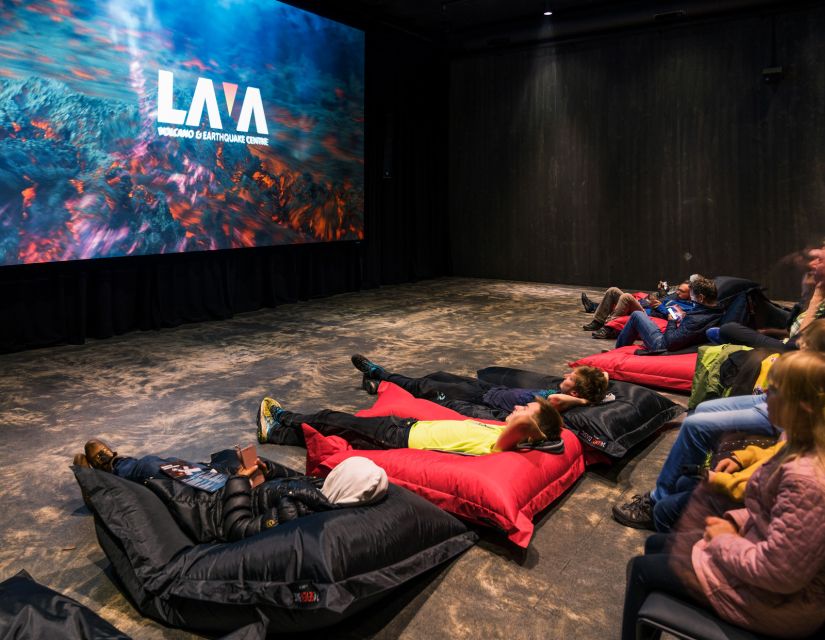
The film begins with a historic overview of eruptions in Iceland, then moves through the latest eruptions. It is not trying to be a geology textbook. Instead, it builds a sense of scale and pattern, so each later eruption has meaning.
One big concept you get from the setup is timing. Iceland has, on average, an eruption every 4 to 5 years. That average is not a promise for your trip, but it does explain why Icelanders live with a constant awareness of volcanic possibility. The movie ties that idea back to the people on the island, and you come away with a clearer understanding of what these events mean for daily life.
And because only video and sound are used, the story stays visual. You do not get interrupted by explanation every few minutes. You watch, listen, and gradually connect the dots across decades.
A few more South Iceland trips worth comparing
- Silfra: Fissure Snorkeling Tour with Underwater Photos
★ 4.9 · 2,731 reviews - Raufarhólshellir Lava Tunnel: Underground Expedition
★ 4.7 · 1,717 reviews - Silfra: Half-Day Snorkeling Day Trip with Underwater Photos
★ 4.8 · 1,155 reviews - Silfra: Snorkeling Tour Between Tectonic Plates
★ 4.8 · 720 reviews
From Katla 1918 to Krafla 1975, the timeline that sets up everything later
The early portion covers a spread of eruptions that show how varied Iceland’s volcanic activity can be. The movie includes, among others:
- Katla, 1918
- Hekla, 1947
- Askja, 1961
- Surtsey, 1963
- The Westman Islands, 1973
- Krafla, 1975
This part is valuable because it gives you baseline context before the movie reaches the modern eruptions that affected global attention. Katla and Hekla are names you might hear in Iceland conversations, but watching their place in the larger sequence helps you understand that Iceland is not one volcano. It is a system with many eruption centers and many ways for volcanic activity to show itself.
Also, Surtsey and the Westman Islands coverage is a reminder that volcanic events are not just destruction. They can also be about land and change over time. Even if you only have a day to learn, this segment plants the idea that the ground itself is part of Iceland’s story.
A practical tip: if you are prone to getting restless in dark rooms, this is the moment to mentally settle in. The movie’s early sweep is where you build the framework for everything that comes next.
Eyjafjallajökull 2010, when Iceland’s eruption reached European skies
Then the film zeroes in on 2010, starting with the Fimmvörðuháls eruption, and it moves on to Eyjafjallajökull. Eyjafjallajökull is included for a reason: it blocked air traffic in Europe for days.
This segment is one of the most relevant to you even if you never plan to track volcanic updates. It connects Iceland geology to modern travel reality. You can feel how volcanic activity does not just stay in one place. It affects schedules, routes, and people who never set foot on the island.
I also like that the film does not treat this as a one-off disaster story. It folds it into the broader eruption timeline, so you see it as one more event in Iceland’s ongoing volcanic history, not just a news headline.
If you are the type who likes travel history with a practical outcome, this is your anchor moment.
2011 and Holuhraun 2014 to 2015, big eruptions with different levels of attention
After 2010, the movie includes Grímsvötn in 2011, then it covers Holuhraun from 2014 to 2015. Holuhraun is highlighted as a massive eruption that the world did not hear about.
That contrast is important. You get to see how an eruption can be powerful and significant without necessarily becoming a global headline. For your travel planning, that helps you avoid the trap of thinking only the famous eruptions matter. Iceland can shift its volcanic activity in ways that do not always translate into international media coverage.
In a way, this segment also helps you adjust expectations. If you are touring Iceland and you have heard one eruption name, you are only hearing the loudest echo. There is always more happening beneath the surface of attention.
The latest chapter, Fagradalsfjall and Fagradalseldar
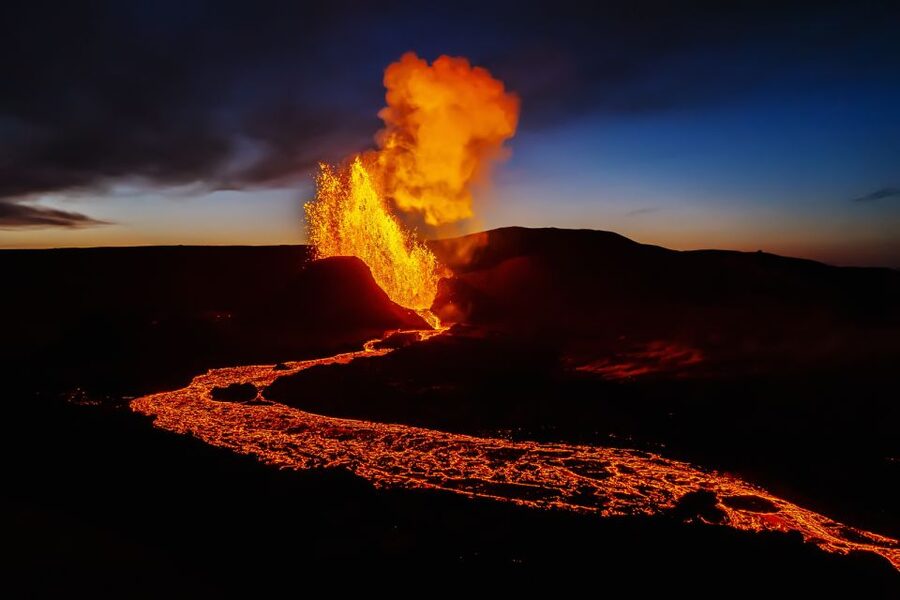
The film ends with the latest eruptions in Fagradalsfjall, also referred to as Fagradalseldar as a series of eruptions. This closing section is a good way to connect the story back to what people associate Iceland with today, the “current” feeling of watching a living system.
Since the movie is built on 4K or better footage and sound, the ending makes Iceland feel less like a distant historical topic. It feels like an active landscape and an active process, even though you are sitting in a cinema and not standing in the field.
It is a fitting finish, especially if you are touring southern Iceland and want one stop that gives context. Your later drive through rugged terrain feels more informed, because you know the kind of volcanic activity that can shape what you see.
Food, rules, and comfort inside the cinema
Here are the practical constraints you should know so you are not scrambling at the last second:
- Food and drinks are not allowed inside the cinema.
- You can buy food at the Katla in-house restaurant and shop.
So I suggest you plan your snack strategy. If you need coffee or a meal, do it before the movie, or factor in time to stop at Katla afterward. This keeps the experience smooth, and it also means you do not end up stuck at the door.
The experience itself is simple: enter, watch, listen. Since there is no spoken narration, the sound design matters. If you are sitting far back and you are hard of hearing, you might want to choose a seat closer to the front. The film relies on video and sound to carry the story.
Price, ratings, and who should book this
At around $16 per person, this is a low-risk way to add depth to an Iceland itinerary. It is not trying to replace an outdoor volcano day, but it does fill a gap that many visitors have: understanding what eruptions mean across time, and why some events change travel while others barely make it into the headlines.
The overall rating shown for the experience is 3.6 based on 3 reviews. That is not a huge dataset, but one highlight from a top-rated booking in particular is that it felt toll und kurzweilig, meaning great and not long-winded, and very interesting. The tone of that feedback matches the design: it aims to keep your attention without heavy narration.
Who this fits best:
- You want a smart Iceland geology primer without committing to a full-day outdoor excursion.
- You care about modern impacts like the Eyjafjallajökull air traffic disruption.
- You like learning through visuals and sound rather than lectures.
Who might want to skip it:
- You want only outdoor, hands-on exploration. This is indoors, and it is not a live eruption experience.
Should you book Volcano Movie at LAVA Centre?
If you have a day in the southern region and you want one stop that gives context to Iceland’s volcano story, I think this is a solid booking. The combination of 4K footage, a timeline that spans major eruptions, and a format with no voice-over makes it feel more like an experience than a slideshow.
Book it if you want a clearer grasp of why Iceland erupts often, how different eruptions vary, and how events like Eyjafjallajökull can reach beyond Iceland. Skip or reconsider if your main goal is being outside near active volcanic terrain.
Either way, arriving at the Lava Centre with a little curiosity and giving yourself time to read the entrance earthquake and volcano info makes the whole show click faster.
FAQ
Where is Volcano Movie at the LAVA Centre?
It takes place at LAVA Centre, Austurvegur 14, 860 Hvolsvöllur, Iceland. When coming from Reykjavík or the Golden Circle, it is the first building on the left side, so it is easy to find.
How much does it cost?
The price is $16 per person.
How long is the experience?
It is listed as 1 day.
Is there spoken narration in the movie?
No. The movie uses video and sound only, with no vocal narrative or voice-over.
Can I bring food or drinks into the cinema?
No. Food and drinks are not allowed. You can buy food at the Katla in-house restaurant and shop.
What languages is the host or greeter available in?
The host or greeter is available in English and Icelandic.
Can I cancel and get a full refund?
Yes. You can cancel up to 24 hours in advance for a full refund.
Reviewed most recently in South Iceland
- Super Jeep Private tour in Þórsmörk★ 5.0 · 3 reviews
- The Old Turf Farm at Keldur: Want to Travel Back in Time?★ 5.0 · 3 reviews
- Private Golden Circle Tour with Airport Pick up★ 5.0 · 3 reviews
- Reykjavik: Thorsmork Valley & Eyjafjallajökull Glacier Tour★ 4.7 · 4 reviews
- Landmannalaugar Highlands Small Group Super Jeep Tour★ 4.3 · 5 reviews
- Reykjavik: Small Group South Coast Tour with Spanish Guide★ 4.4 · 5 reviews
- Thórsmörk Super Jeep Day Tour : From Hvolsvöllur★ 5.0 · 6 reviews
- Reykjavík: Buggy Adventure Tour★ 4.8 · 6 reviews
Volcanoes & Lava, compared.
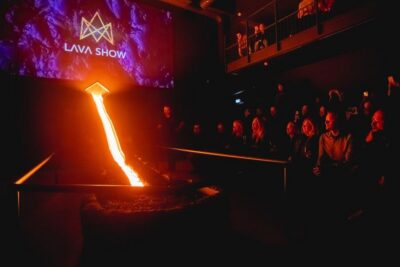
LAVA SHOW – Immersive Experience Entry Ticket
Read our review →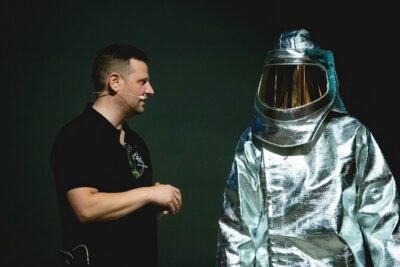
Lava Show Reykjavik Admission Ticket – Optional Premium Upgrade
Read our review →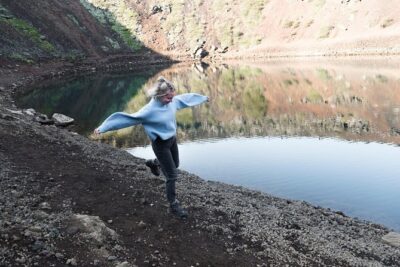
Golden Circle with Kerid Volcanic Crater Day Tour from Reykjavik
Read our review →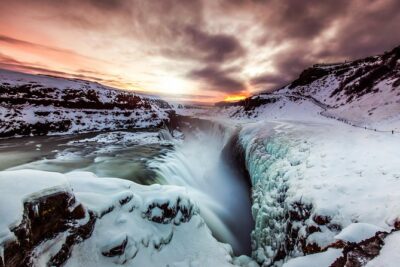
Golden Circle, Volcano Crater and Blue Lagoon Small-Group Tour
Read our review →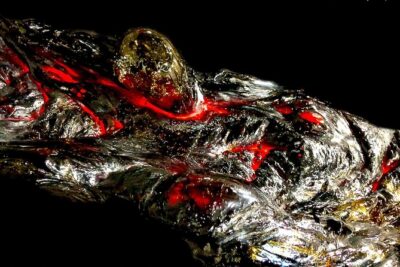
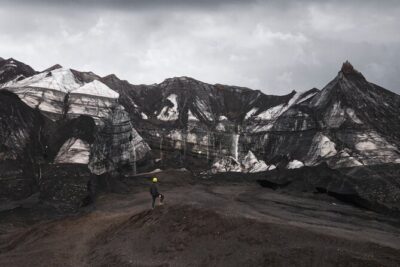
Ice Cave by Katla Volcano Super Jeep Tour from Vik
Read our review →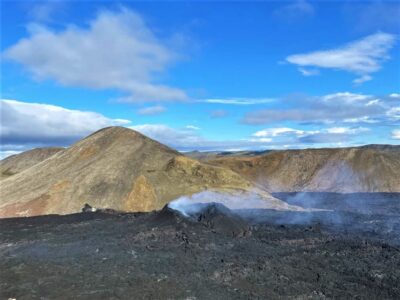
Volcano Eruption Site and Reykjanes Hiking Tour
Read our review →
Browse the lists this tour appears in