Reviewed · ICE CAVES
Blue Ice Cave Adventure and Glacier Hike (from Jökulsárlón)
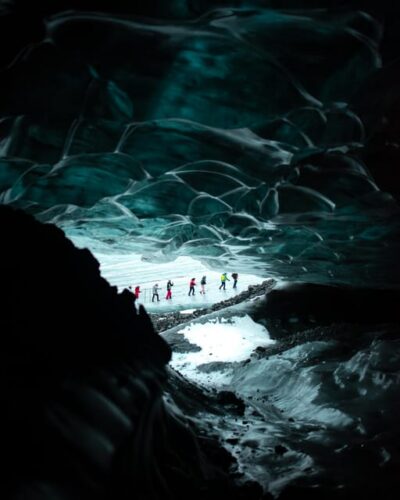
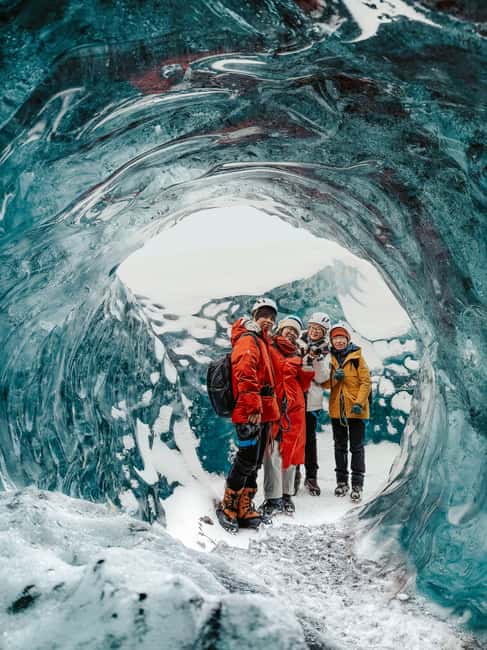
This winter day trip from Jökulsárlón to Vatnajökull feels special because you are not just looking at ice, you are walking on it and then stepping into electric blue glacial ice. The goal is simple: see a natural ice cave that is carved by glacial meltwater, then hike your way back over the glacier with your group.
I love the way the trip keeps a small-group pace so you are not constantly rushing for photos or getting shoved along. I also like that you get real glacier safety gear included, including crampons, an ice axe, a harness, and a helmet, plus a head torch if you need one.
One thing to consider is that the ice cave is a changing natural feature. The route and cave look can vary from year to year, and the operator cannot guarantee the cave’s exact size or aesthetics on your specific day.
Key things to know before you go
- Small-group hiking with a cap listed as up to 8 passengers and a limit of 6 participants, which helps you move at a human pace
- Provided glacier gear: crampons, ice axe, harness, helmet, and head torch when required
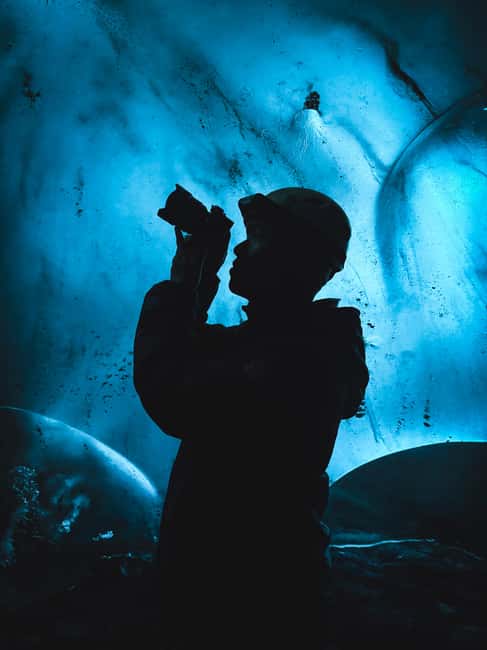
- Time inside the cave typically runs 45 to 90 minutes, depending on conditions and the cave you are allowed to access
- A real glacier hike with about 8 km round-trip total and more than half on uneven glacial terrain
- No guaranteed cave aesthetics: ice caves shift, so the operator works to show the best possible option that day
From Jökulsárlón to Vatnajökull: why this tour hits different in winter
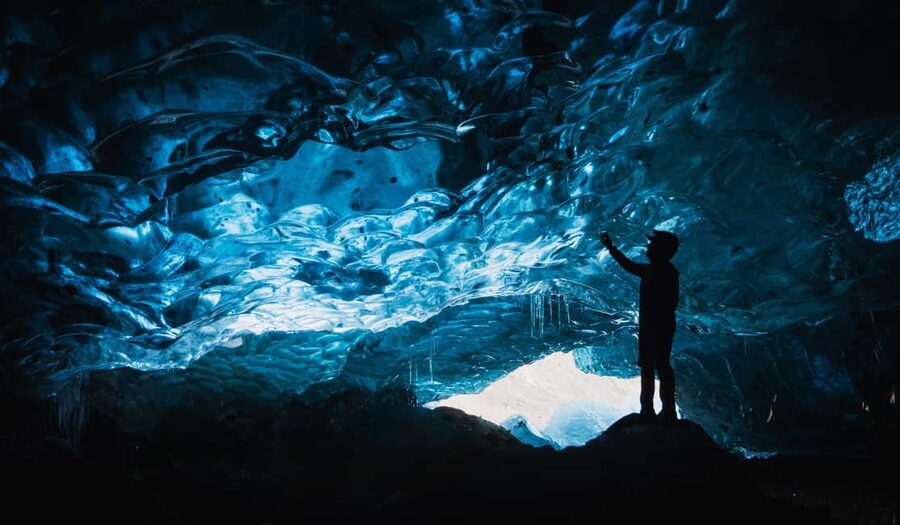
Jökulsárlón gets the attention, sure, but the real payoff here is heading into Vatnajökull, Europe’s largest glacier, where winter turns ice into a living sculpture. An ice cave is not a museum room. It is formed by glacial meltwater and it evolves, sometimes quickly. That means you get the experience of being in a place that is actively changing, not a static set.
This is also a good choice if you want something more active than a standard ice viewing stop. You are doing a moderate winter hike that includes glacier travel, plus a cave visit, so the day has real rhythm: transport, approach, cave time, then more glacier exploration before the ride back.
And yes, it is a photography magnet. But the better reason to go is the combination of skills and atmosphere. You learn what it feels like to walk with crampons, move carefully over glacial terrain, and then slow down enough to appreciate the way blue ice looks in cold, low winter light.
More Glacier Hiking in Skaftafell
- Skaftafell: Falljokull Glacier Easy Group Hike
★ 4.7 · 1,508 reviews - Skaftafell National Park: Falljokull Glacier Advanced Hike
★ 4.8 · 1,083 reviews - Skaftafell: Blue Ice Glacier Hike on Vatnajökull
★ 4.7 · 1,045 reviews
Getting to the glacier adventure basecamp and the 4×4 ride
The tour starts at the Glacier Adventure basecamp in Hali, with the meeting point located 16 km east of Jökulsárlón Glacier Lagoon on Route 1. You turn off Route 1 and turn right after the restaurant to reach the camp, where you get a briefing and your gear.
There are toilets at the meeting point, which matters because once you are suited up, the day runs on timing. You will then transfer by 4×4 vehicle for about 30 minutes toward the glacier. This part is not just convenient. On Iceland’s glacier edges, the roads are not the point. The ride is how you reach the safest access area for the day’s ice cave location.
You should plan for winter conditions even before you step outside to hike. You will be bundled up, moving between vehicle and basecamp areas, and it is easier if you have your layers organized so you can get warm quickly when you are not actively walking.
The hike to the ice cave: crampons, pacing, and uneven footing
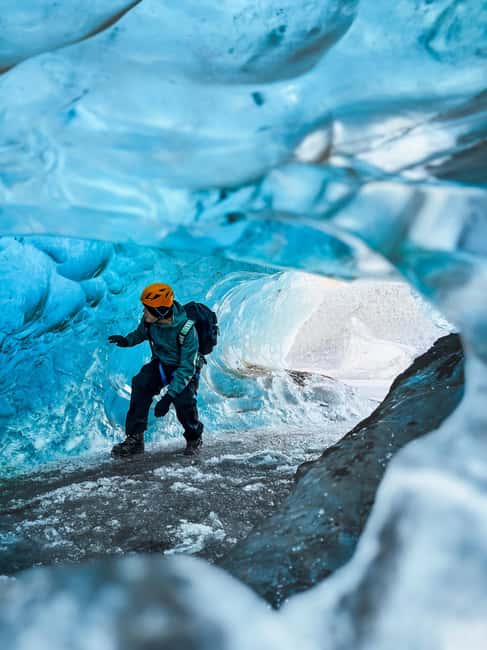
From the basecamp, you hike toward the ice cave depending on the terrain and the cave location. Expect up to about 1 hour of hiking for the approach, and then you slow down when you arrive.
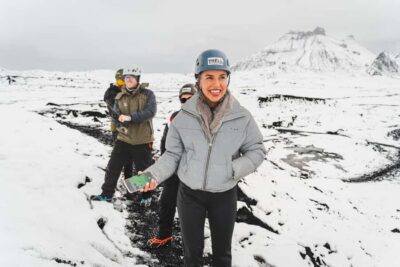
This is where the included glacier gear earns its keep. You get crampons, an ice axe, a harness, and a helmet, and that changes how you move over ice. Even if you are used to hiking, glacier walking is different because footing can feel slick, uneven, or unpredictable under snow and ice. The harness and helmet are also practical reminders that winter glacier travel is serious business, even on a guided moderate route.
The tour is rated moderate within winter hiking conditions. The total distance is about 8 km round-trip, with more than 50 percent on the glacier, and the ground can be rocky and uneven. If your aerobic fitness is solid, this won’t feel like a brutal endurance test. If you are winded easily on hills or stairs, you will likely work harder than you expect, especially in cold air where you breathe heavier.
A smart way to make this easier is to focus on steady effort rather than speed. You will move when the guide says move, and then you stop when they stop. That pacing is the difference between enjoying the approach and feeling rushed and cold.
Inside the blue ice cave: how long you stay and why conditions matter
Once you reach the ice cave, the tempo drops. This is not a quick in-and-out stop. The ice cave is the main event, and the operator aims to give you time to see it properly.
Inside time is usually 45 to 90 minutes, depending on the group, weather, terrain, and the size of the cave. If conditions are tight, you might be in the cave for the shorter end. If the cave is accessible and the group can safely move at a comfortable pace, you typically get longer.
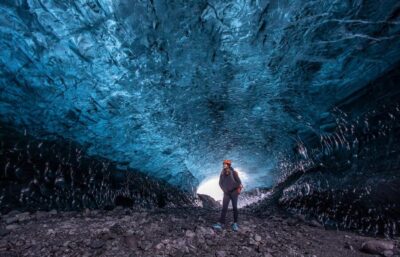
Here is the key thing to understand: you are going into a living formation. The operator explicitly notes that ice caves change from year to year, and you cannot expect the same exact look from one season or one route to another. Even if you have seen photos online, your cave could be bigger, smaller, brighter, or more shadowy on the day you go.
That uncertainty sounds stressful, but it actually supports the authenticity of the experience. You are there for the reality of blue ice and meltwater-carved shapes, not for recreating a specific picture. If you go with that mindset, you will have a better day.
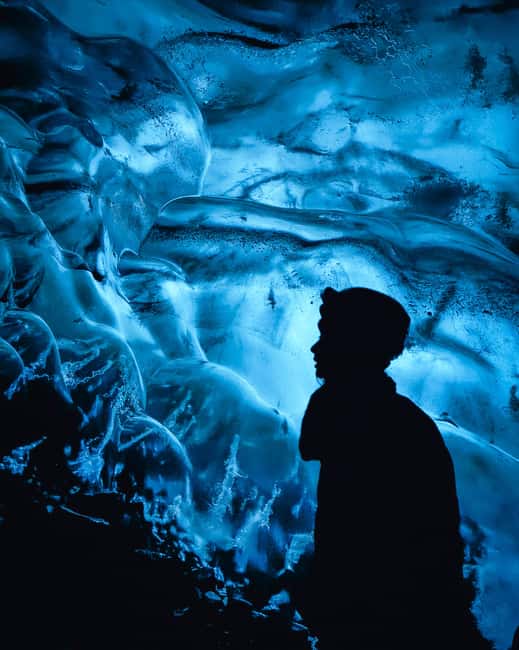
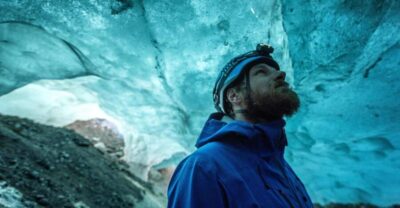
Also, think about how you will feel in the cave itself. Cold air + stillness can make you slow down, and that is when the cave becomes more than a photo. You start noticing the textures where ice has fractured, the way light plays on the walls, and the quiet sense of scale.
More Ice Caves in Skaftafell
- Jökulsárlón: Vatnajökull Ice Cave Guided Tour
★ 4.2 · 2,046 reviews - Jökulsárlón: Crystal Ice Cave Super Jeep Tour
★ 4.1 · 1,681 reviews - From Jökulsárlón: Vatnajökull Glacier Blue Ice Cave Tour
★ 4.6 · 866 reviews - Jökulsárlón: The Original Ice Cave Tour on Vatnajökull
★ 4.6 · 846 reviews
Glacier time beyond the cave: arches, tunnels, and moulins
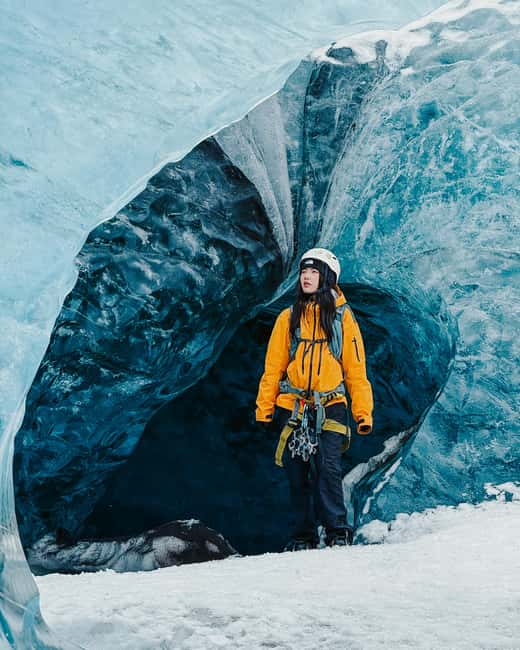
After the cave, you still have glacier time. This is where the tour becomes more than one single highlight, because you are exploring more natural features on Vatnajökull.
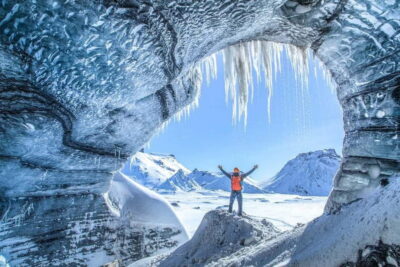
The plan includes time to explore areas with formations such as arches, tunnels, and moulins. A moulin is a feature where meltwater channels down through the ice, so it is one more reminder that glacier ice is not a frozen block. It is part of a system, shaped by water moving through it.
These are the moments that help you connect the dots. The cave is proof of meltwater carving ice. The tunnels and moulins help you understand how that meltwater behaves outside the cave too. Even if you are not a geology expert, the guide’s explanations can make the ice feel less mysterious and more understandable.
Another important point is that the operator uses the remaining time to show what Vatnajökull has to offer on your day. They cannot guarantee the exact cave aesthetics or size, but they do try to make the outing a strong one overall, based on safety and accessibility.
So you should think of this as a guided best-of-the-day glacier walk, not a script that never changes.
Gear and clothing: what you truly need for a crampon hike
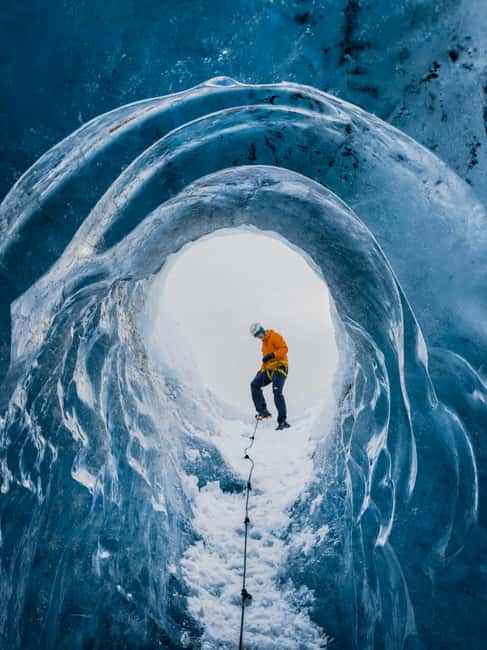
This is winter Iceland, and your success depends on preparation. The tour provides glacier gear, but you provide the clothing and footwear that keep you warm and safe.
Bring warm clothing with at least two layers on the legs (a warm base layer plus hiking pants). For your upper body, plan at least three layers (base layer, fleece, and a jacket). If the forecast suggests wet weather or harsh wind, bring extra rain gear. The tour also advises bringing one extra warm winter jacket you can put on top when you are not actively hiking.
Footwear matters a lot. You need warm, sturdy hiking boots that can be worn with crampons. Do not plan on using trainers or sneakers. If your boots are not warm enough, your feet will pay the price quickly in glacier conditions.
Other essentials:
- Hat and gloves (choose a hat that fits under the helmet)
- A backpack to carry extra layers and food
- Food and water
- Phone or camera
One less obvious tip: keep your winter gear easy to access. You will likely put layers on and off during breaks. If you have to dig through a messy backpack every time you stop, you lose warmth fast and waste time.
Finally, the operator reserves the right to refuse entry if you arrive without the correct equipment for safety. That is not a paperwork trick. It is because glacier travel has real risk, and they have to manage that risk responsibly.
Price and value at $269 per person: what you’re paying for
At $269 per person for about 6 hours, the cost is in line with guided winter glacier experiences in the Icelandic “small-group, real-gear” category. But it is not just the glacier. What you pay for is the combination of logistics and safety.
You get:
- A live guide (English and Icelandic)
- Transportation by 4×4 to glacier access areas
- Glacier gear (crampons, ice axe, harness, helmet)
- A head torch if required
That added safety gear is a big value. Buying the right crampons, harness, and helmet for one trip is not really practical for most people, and you do not want to guess on fit or quality in cold conditions. Here, the gear is built into the experience.
You also get a small-group environment. Even if the exact cap can be listed as up to 8 passengers and limited to 6 participants, the point stays the same: fewer people makes the hike more manageable. That can mean a calmer pace in a place where quick movement is not the goal.
The only financial “risk” is timing and access. Ice caves can be inaccessible due to safety, and the itinerary can change. The operator says they will do their best to show the absolute best Vatnajökull has to offer on the day of your tour, but cave aesthetics and size cannot be guaranteed. So the value is in the day itself, not a promised exact look.
Who this glacier hike is for, and who should skip it
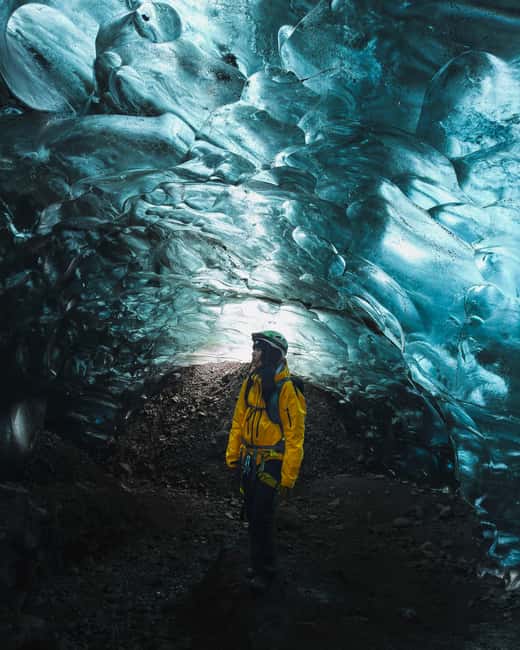
This trip is not suitable for everyone. It is rated moderate in winter conditions, with about 8 km round-trip over uneven rocky and glacial terrain, and a big portion of that time on the glacier. That is tough if you do not have basic aerobic fitness.
It is also not recommended for:
- Children under 14
- People with back problems
- People with mobility impairments
- People with heart problems
- Wheelchair users
- People over 75
- People with low level of fitness
If you are the kind of person who handles uneven winter trails and can stay steady through cold, you will likely find it manageable. If you are unsure about your fitness, it helps to be honest with yourself before booking. Cold air makes effort feel harder, and the footing adds a mental load.
One more note: alcohol and drugs are not allowed. That is standard for glacier safety, and it also keeps the day focused and functional.
Logistics that matter: starting point, timing, and what to expect all day
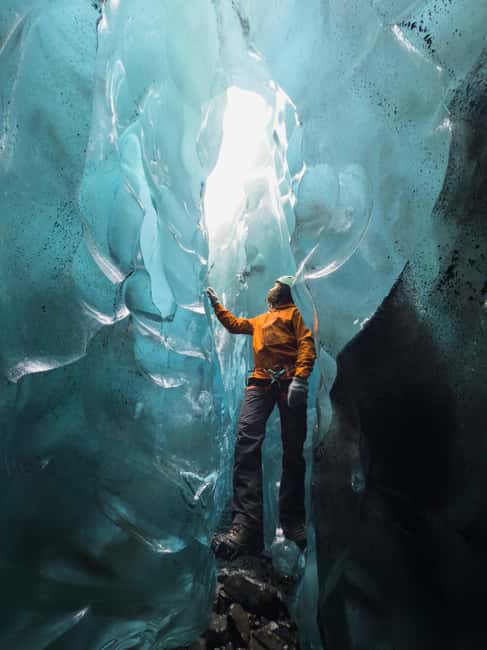
The day runs roughly 6 hours, with the 4×4 transfer taking about 30 minutes each way. Your timeline typically looks like this in practice: meet and gear up at Glacier Adventure basecamp, ride toward the glacier, hike up to about an hour to reach the cave, spend time inside the cave usually 45 to 90 minutes, then explore glacier features, and return by 4×4.
You should also plan for changing conditions. The operator notes the itinerary is subject to change depending on safety and accessibility of ice caves and glacial features. That is normal in a dynamic glacier environment. It means you are booking an experience that adapts, not a factory line.
On the plus side, when your group is small, you usually get a more thoughtful flow. Breaks, gear checks, and route adjustments are easier when you are not managing a large crowd across uneven terrain.
And if you want a confidence boost, one verified booking praised their guide Rory for making the trip run well. While guides differ, the takeaway is consistent: you want a day led by someone who can manage pace and safety in harsh conditions.
Should you book the Blue Ice Cave and Glacier Hike from Jökulsárlón?
I think you should book if you want a winter Iceland day that mixes spectacle and effort. You’ll get provided glacier gear, a real hike with meaningful distance on the ice, a memorable ice cave visit, and extra glacier exploration beyond the cave.
You should probably skip it if you cannot handle uneven winter hiking for about 8 km total, if cold weather hiking scares you, or if you fall into the clearly listed unsuitability categories. If the idea of crampons and glacier terrain makes you uneasy, there are gentler glacier experiences in the area that might fit better.
If you do book, go in with the right mindset: you are not buying a guaranteed photo-perfect cave. You are buying a guided walk into an active, changing glacier world, with enough time to actually see what nature made.
FAQ
How long is the Blue Ice Cave Adventure and Glacier Hike?
The tour duration is 6 hours.
What is included in the tour price?
The tour includes glacier gear such as crampons, ice axe, harness, and helmet, plus a head torch if required. You also have a live tour guide (English and Icelandic).
What should I bring for a safe glacier hike in winter?
Bring warm clothing with multiple layers, waterproof or weather-appropriate outer layers as needed, warm hat and gloves, and sturdy hiking boots that can be worn with crampons. You should also bring food and water and a backpack to carry extra layers.
What footwear is required?
You need warm, sturdy hiking boots suitable for crampons. Sneakers or trainers are not allowed.
How difficult is the hike?
This tour is rated moderate for winter hiking in Iceland. Expect about 8 km round-trip over uneven rocky and glacial terrain, with more than 50 percent of the hike on the glacier.
Is the ice cave guaranteed to look a certain way?
No. The ice cave changes from year to year, and the operator cannot guarantee the cave’s aesthetics or size. The route and access can also change based on safety and conditions on the day.
More of the glacier lagoon and Diamond Beach
- Jökulsárlón: Vatnajökull Glacier Guided Hiking Tour
★ 4.7 · 921 reviews - From Jökulsárlón: Crystal Blue Ice Cave Super Jeep Tour
★ 4.5 · 540 reviews - Natural Blue Ice Cave Tour of Vatnajökull Glacier from Jökulsárlón
★ 4.5 · 294 reviews - Jökulsárlón: Glacier Hike to a Remote Ice Cave
★ 5.0 · 220 reviews
Reviewed most recently in Skaftafell
- Airplane Flight over Vatnajökull Volcanic Eruption Sites★ 5.0 · 8 reviews
- Vantajökull National Park: Half-Day Skaftafell Glacier Hike★ 4.6 · 11 reviews
- Skaftafell Glacier Hike: Blue Ice Maze Adventure (Small Group)★ 4.5 · 13 reviews
- Ultimate Airplane Sightseeing Flight from Skaftafell★ 4.5 · 15 reviews
- Glacier Xtreme: Vatnajökull Ice Climbing + Hike from Skaftafell★ 4.5 · 25 reviews
- Adventurous Vatnajökull Glacier Exploration – Full Day Hike★ 5.0 · 35 reviews
- Skaftafell: Glacier XTreme – Hike & Ice Climbing Adventure★ 4.9 · 45 reviews
- Skaftafell: Extra Small Group Glacier Adventure★ 4.9 · 86 reviews
Ice Caves, compared.
Ice Cave by Katla Volcano Super Jeep Tour from Vik
Read our review →